
+86-731-85666876
Liuyang High-Tech Industrial Area, Changsha China


Views: 0 Author: Site Editor Publish Time: 2026-08-04 Origin: Site


Selecting a blow bar is a critical operational risk, not just a routine purchase. Choosing the wrong metallurgy often causes premature breakage, extensive rotor damage, and unplanned downtime. Plant managers simply cannot afford to guess. Crushing relies on a fundamental engineering paradox. We constantly face a tough trade-off between impact resistance and wear resistance. Harder materials withstand heavy abrasion but shatter easily under sudden blows. Tougher materials survive massive shock loads but wear away rapidly in harsh environments. Navigating this delicate balance requires matching specific metallurgies to your exact feed conditions. From traditional manganese to an advanced MMC solution, you must carefully evaluate tramp iron risks and rotor speeds. This guide explores how to select the optimal material profile. It will help you drastically improve your operating efficiency and minimize your bottom-line expenses.
Material Matrix: No single material is universally optimal; high-chrome excels in abrasion, while manganese handles high impact and tramp metal.
The MMC Advantage: MMC (Metal Matrix Composite) blow bars bridge the gap, utilizing ceramic inserts to provide high wear resistance without sacrificing the structural integrity needed for impact.
Application-Driven Choice: Decision frameworks must prioritize feed size, abrasiveness, and tramp iron probability over the initial sticker price of the parts.
TCO Focus: Upgrading metallurgy reduces maintenance intervals, lowering overall operating costs despite a higher initial procurement price.
Budget wear parts often hide massive operational expenses. You might save capital on the initial purchase. However, you pay heavily for frequent labor changeouts and lost production time. Low-quality metals wear unpredictably. They force maintenance teams to halt operations for emergency replacements. A catastrophic fracture easily destroys other critical Impact Crusher Parts inside the chamber. Sharp fragments from a broken bar can gouge the rotor body. They can also shatter expensive Wear Liners mounted along the impact aprons. These secondary damages exponentially increase your repair budgets.
Metallurgical science dictates a strict baseline paradox. We constantly measure hardness against toughness. Harder materials resist severe abrasion effectively. They thrive when processing highly abrasive silica. However, they lack structural ductility. They shatter easily under extreme impact forces. Conversely, tougher materials absorb massive shock loads safely. They bend slightly rather than breaking. Yet, they wear down rapidly in highly abrasive environments. You cannot maximize both properties perfectly in a single monolithic metal. Engineers must prioritize one trait based on the specific application.
Cost Per Ton (CPT) stands as the ultimate financial metric. We must use it for all bottom-of-funnel purchasing decisions. Avoid looking solely at the initial invoice price. You must evaluate how many tons the part successfully processes before requiring replacement. Calculating CPT is straightforward. Add the initial part cost, labor expenses for installation, and the financial cost of production downtime. Divide this total sum by the total tons of material crushed. A premium metallurgy often yields a significantly lower CPT. It extends runtime and prevents catastrophic chamber failures.
Manganese steel serves as the traditional standard for impact crushing. It features unique work-hardening properties. The surface hardens progressively when subjected to heavy impacts. The inner core remains highly ductile and tough. This dynamic makes it highly resistant to massive shock loads.
This material excels in primary crushing stages. It handles extremely large feed sizes efficiently. It is the safest choice for heavy tramp iron environments. Concrete recycling applications rely heavily on manganese. Rebar and steel plates will not shatter a manganese bar.
However, manganese has distinct limitations. It performs poorly in highly abrasive applications. Processing small, abrasive feeds fails to trigger the work-hardening effect. The material will wear away rapidly without sufficient impact force.
Martensitic steel offers a highly balanced profile. Through precise heat treatment, manufacturers alter its micro-structure. It achieves moderate hardness alongside respectable impact resistance. It fills the gap between ductile manganese and brittle chrome.
It represents the ideal choice for varied applications. We frequently use it for primary and secondary crushing. It processes limestone and mixed construction waste reliably. It survives occasional encounters with small tramp metal pieces.
Despite its versatility, it remains a compromise. It acts as a jack-of-all-trades but masters none. It will wear significantly faster than high-chrome in pure abrasive applications. It also cannot survive large tramp iron impacts like manganese.
High-chrome iron delivers maximum abrasion resistance. Foundries cast it to achieve extreme hardness levels. It frequently exceeds 60 HRC on the Rockwell scale. The high chromium carbide content provides superior wear life. It effortlessly grinds down highly abrasive rocks.
This metallurgy belongs in secondary or tertiary crushing stages. It dominates applications processing asphalt, granite, or basalt. The feed material must be relatively small. The application demands a strict absence of uncrushable material.
The primary limitation is extreme brittleness. A single piece of tramp metal causes catastrophic fracture. Even dropping the bar during installation can crack it. Operators must utilize rigorous magnetic separation before using chrome.
Metal Matrix Composites represent a premium hybrid solution. Foundries pour a high-strength liquid metal matrix. This matrix is usually martensitic steel or high-chrome iron. During casting, they embed pre-formed ceramic inserts directly onto the primary wear surface. This process bonds the extreme hardness of ceramics to a durable metal core.
This composite is best for high-abrasion applications. It thrives where tramp iron remains a moderate risk. The metal matrix absorbs the physical shock. Simultaneously, the ceramic inserts resist the harsh sliding abrasion. This dual-action performance completely changes maintenance schedules.
The operational outcome is exceptional. A well-designed MMC Blow Bar can extend wear life by two to four times. It drastically reduces maintenance downtime compared to standard mono-metals. You spend less time opening the crusher chamber. You spend more time running profitable material.
Blow Bar Material Comparison Matrix
Material Type | Abrasion Resistance | Impact Resistance | Primary Application | Tramp Iron Tolerance |
|---|---|---|---|---|
Manganese Steel | Low | Very High | Concrete Recycling, Primary Hard Rock | Excellent |
Martensitic Steel | Medium | Medium | Mixed C&D Waste, Limestone | Moderate |
High-Chrome Iron | Very High | Low | Asphalt, Granite, Secondary Crushing | Very Poor |
Metal Matrix Composite | High to Very High | Medium to High | Abrasive Rock, Moderate Iron Risk | Good |
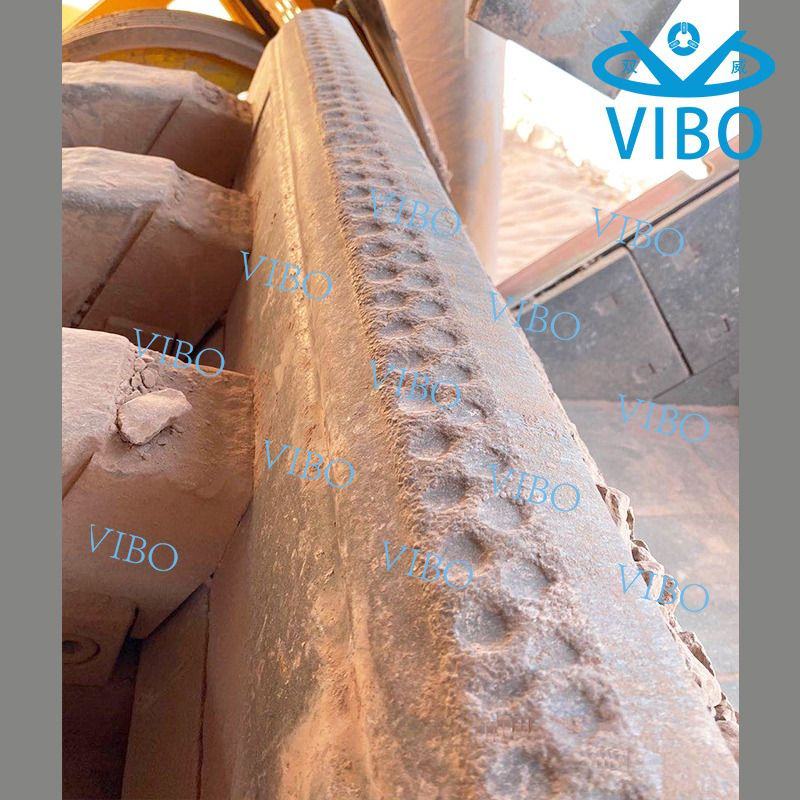
Profiling your feed material is the critical first step. You must assess the abrasiveness of your aggregate. Test the raw silica content in a laboratory setting. High silica levels demand harder materials like chrome or ceramics. You should also measure the compressive strength of the rock. Harder rocks require a tough matrix to prevent micro-fracturing along the bar surface. Recycled materials introduce different variables. They combine soft concrete matrices embedded with highly destructive steel elements. Your metallurgy must match these specific geological or man-made traits.
Tramp iron risk assessment dictates your material boundaries. You must establish a strict threshold for uncrushable materials. Evaluate your pre-screening equipment carefully. Check the strength and placement of your over-band magnets. If tramp iron cannot be strictly controlled, high-chrome must be eliminated immediately. Even a small loader tooth will instantly shatter a chrome bar. You must downgrade to martensitic steel or upgrade to an MMC solution. Protecting the rotor assembly always supersedes maximizing pure wear life.
Rotor speed directly influences your material suitability. We measure rotor velocity in revolutions per minute (RPM). High RPM dictates massive kinetic impact forces. When a bar strikes a rock at high speeds, the energy transfer is immense. High speeds require higher structural integrity from the metal. Brittle materials cannot survive high-speed primary crushing. You must select tougher alloys when running high RPM setups. Conversely, slower secondary crushers allow you to utilize harder, more brittle alloys safely.
Even the highest-grade composite bar will fail if installed incorrectly. Installation requires precise rotor balancing protocols. You must install blow bars in properly balanced, weight-matched sets. Opposing bars must weigh nearly identical amounts. A weight difference of just a few kilograms causes severe rotor vibration. This vibration destroys main bearings rapidly. It can ultimately tear the crusher apart. Mechanics must clean the rotor slots perfectly. Dirt trapped behind a bar creates uneven seating. Uneven seating leads to immediate stress fractures during operation.
Implementing strict wear tracking protocols protects your machinery. You must establish a rigid inspection schedule. Plant managers should monitor wear progression weekly.
Baseline Measurement: Measure the original profile thickness upon initial installation.
Weekly Visual Audits: Inspect the primary impact face for micro-cracks or uneven wear patterns.
Clearance Checking: Measure the gap between the bar edge and the impact aprons.
Safe Flipping Protocol: Rotate the bar before the wear edge reaches the rotor body line.
Supplier qualification ensures metallurgical consistency. Do not purchase critical wear parts blindly from unknown brokers. You must evaluate the foundry producing your parts. Strict quality control defines a reliable supplier. Ask for their ultrasonic testing (UT) reports. UT scanning detects internal casting voids before the part ships. Hidden voids cause catastrophic snapping under load. Request accurate alloy certifications for every batch. A reputable foundry gladly provides documented chemical compositions. They stand behind their heat treatment processes confidently.
You do not always need the most expensive metallurgy. Standard alloys provide excellent value in specific scenarios. Stick with martensitic steel when processing soft, non-abrasive limestone. It provides adequate CPT and upgrading is unnecessary. Use standard high-chrome when crushing pure asphalt millings. Asphalt contains minimal tramp iron and acts strictly as an abrasive. In these highly controlled environments, mono-metals deliver reliable predictability. Over-engineering your wear parts wastes procurement budgets needlessly. Match the material perfectly to the challenge at hand.
Upgrading to composite materials requires a clear business case. You should choose MMC when downtime costs cripple your profitability. If your maintenance crew changes bars every three days, MMC solves the bottleneck. The premium cost of composite bars yields a guaranteed return on investment here. Extended uptime translates directly into increased daily tonnage. It also drastically reduces the physical risk to your maintenance staff. Handling heavy metal components less frequently improves overall site safety metrics.
Pilot testing validates your procurement decisions safely. We highly recommend running a controlled test batch. Install a single rotor set of the new material. Document the actual wear life meticulously against the incumbent material. Log the exact tonnage processed during the test phase. Monitor the wear profile weekly and record the data. Calculate the final CPT once the test concludes. Do not standardize a new material purchase until the pilot test proves the financial benefit clearly.
Blow bar selection remains a rigid engineering decision based on application data. It is never about basic brand preference or chasing the lowest initial price tag. You must balance the hardness versus toughness paradox against your specific feed conditions. Assess your rock abrasiveness, tramp iron risks, and rotor speeds carefully. High-chrome handles pure abrasion perfectly, while manganese thrives under massive impacts. Composite materials provide a powerful hybrid solution for mixed, aggressive environments.
Plant managers should take immediate action to optimize their crushing chambers. First, audit your current wear part consumption over the past year. Calculate your true Cost Per Ton accurately using downtime metrics. Next, implement strict rotor balancing and weekly wear tracking protocols. Finally, consult with a metallurgical specialist to evaluate your chamber dynamics. Choosing the right material profile will guarantee higher throughput and protect your vital machinery.
A: An MMC (Metal Matrix Composite) blow bar integrates tough pre-formed ceramic inserts directly into a durable metal matrix during the casting process. Unlike standard chrome, which is highly brittle and prone to shattering upon hard impacts, MMC combines the extreme wear resistance of ceramics with the structural toughness of the supporting steel or iron.
A: It is highly advised against. Concrete recycling involves heavy rebar and steel fragments. High-chrome is brittle and will likely suffer catastrophic fractures when striking this tramp iron. Unless preceded by aggressive, flawless magnetic separation, you should rely on manganese, martensitic, or MMC options for safer operations.
A: Horizontal Shaft Impactors (HSI) use large, heavy blow bars mounted on a horizontal rotor to physically strike incoming material. Vertical Shaft Impactors operate differently. They require specific VSI Parts like high-speed rotors, specialized shoes, and anvils. VSI crushers utilize rock-on-rock or rock-on-anvil mechanics, demanding completely different metallurgical properties.
A: You must monitor standard visual and structural indicators weekly. Always flip the bar before the wear pattern intrudes upon the rotor protection line. Allowing the wear to reach the actual rotor body will cause permanent, expensive damage to the equipment housing. Follow the manufacturer's specific clearance guidelines.

